
Packing for Study Abroad Experience in Korea
BLOG
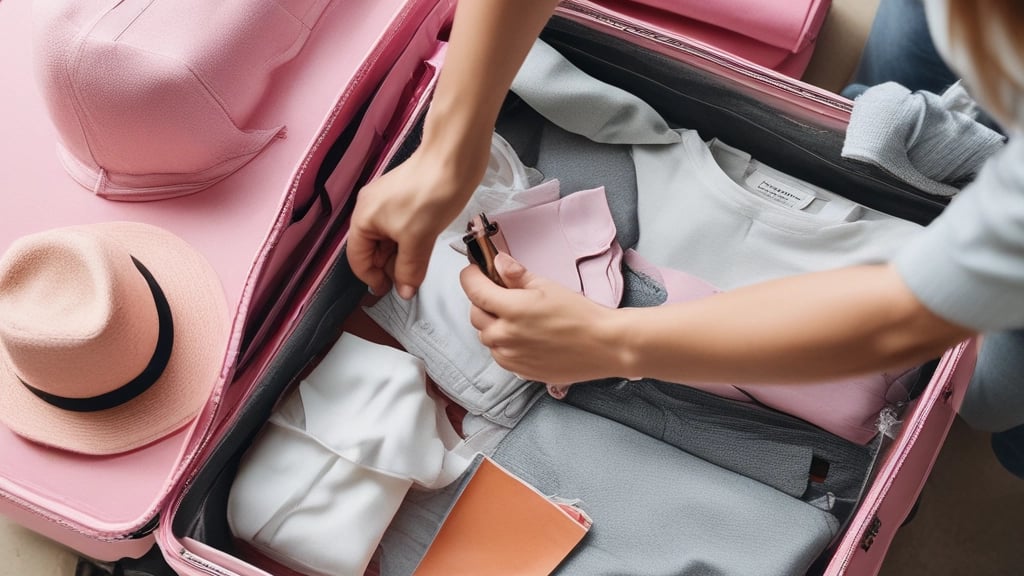
Anywhere in the globe, packing for a life abroad can be a difficult chore, especially if you don't know where to start. This is frequently the case when relocating to countries with distinctive cultures that diverge from Western civilizations, such as Korea. It can be difficult enough to pursue your studies in a different nation; packing thoughtfully can help make things a little simpler for you. So, below are my recommendations on what to consider when packing for your move to study in Korea. I hope this list will become your trusted companion as you sort through your concerns about what to pack as you prepare to leave the comfort of your home for the beautiful but frequently unreliable life of an international student in Korea.
5. Over-the-counter medicines and other medication
For your convenience, bring any over-the-counter medications you might need, such as painkillers and antihistamines. To avoid issues at the airport, always bring prescription sheets and any prescribed medications in their original containers. If you prefer it more conveniently, you can switch to certain effective over-the-counter medications and other pharmaceuticals in Korea; just be sure to consult your doctor first.
4. Make a list of all the things you use regularly
Yes, list everything. Because you're going to trim that down a bit—okay, a lot—I mean EVERYTHING. It's simple to forget hand soap, laundry detergent, and other essentials . . In all likelihood, you should bring enough clothing for two weeks, plus some extra for shopping. Remember that you can layer up if necessary for the cooler months.
3. Universal adapter
The type F and type C plugs, which have two circular pins that fit into two holes, are both used in Korea. I would suggest carrying a universal adaptor if your country has several plug types to quickly connect your gadgets to a power source wherever you are. But don't worry if you can't find a universal adaptor in your area. They are conveniently available in Korea through retail establishments like Office Depot and Daiso.
2. Plan for the seasons of your visit
People remaining for the Spring Semester should pack additional clothing for the warmer, humid weather, and those staying for the Fall Semester should pack clothing for the transition to colder weather. The weather is generally warm and muggy from June to September, comparatively colder from October to November, and occasionally frigid from December to February or March. However, keep in mind that flashing cleavage is not always a good appearance unless you're heading to a bar. But keep in mind that even if you do, nothing will end.
1. Original certificates and other vital documents
You will undoubtedly require your original academic records at some time as a student, whether updating your records or applying for new chances. Therefore, I suggest you save the original academic records to save yourself the trouble of having them shipped to you from your home country when you need them. Along with these documents, you should also include your travel itinerary, health insurance forms, and other medical records, like the results of your TB test.
Conclusion
Whatever you decide to pack, be ready for unforeseen circumstances to arise! Making a list of what to bring and planning are simple precautions to prevent the inescapable last-minute rush to the store.